

World AMR Awareness Week 2026
Beyond Resistance: Why Knowing the Mechanism Matters in the Fight Against Carbapenem-Resistant Organisms
World Antimicrobial Resistance (AMR) Awareness Week, 18 to 24 November 2026
Theme: One Health, One Action: Prevent AMR Now
By Dr Tandzile Simelane
Antimicrobial resistance (AMR) is one of the greatest public health challenges of our time. We have come a long way since the discovery of penicillin by Sir Alexander Fleming. Our antibiotics have transformed modern medicine and have allowed lifesaving interventions. However, the increasing emergence and spread of resistant microorganisms threaten these achievements. This creates a growing gap between our ability to diagnose infections and treat them effectively.
Among the most concerning threats are Carbapenem-Resistant Enterobacterales (CRE), particularly Carbapenemase-Producing Enterobacterales (CPE). These organisms are associated with increased mortality, prolonged hospitalization, higher healthcare costs and significant outbreak potential.
Carbapenem resistance is not one size fits all
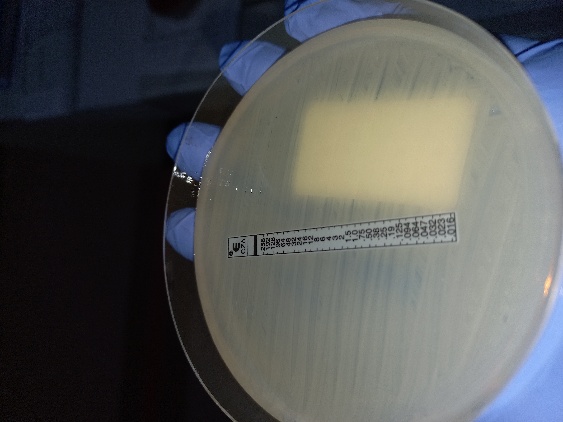
An important distinction is that not all carbapenem-resistant organisms share the same resistance mechanism. The current routine antimicrobial susceptibility testing (AST) identifies resistance but does not clarify how that resistance occurs. It is important to know the specific mechanism of resistance because different enzymes have different implications for antimicrobial treatment.
Ceftazidime-avibactam has become an important treatment option for infections caused by certain multidrug resistant gram-negative bacteria, particularly KPC and OXA-48 producing organisms. However, it is not effective against metallo-β-lactamases such as NDM, VIM and IMP.
This distinction can significantly influence patient outcomes. For example, an NDM-producing organism may require alternative treatment strategies, including aztreonam combined with ceftazidime-avibactam. Other agents, such as cefiderocol, meropenem-vaborbactam and imipenem-relebactam, have roles in selected infections depending on the resistance mechanism and susceptibility profile. Empirical treatment without understanding local resistance mechanisms risks treatment failure and delays in initiating effective therapy.
Empirical treatment without understanding local resistance mechanisms risks treatment failure.
Knowing not only which, but why
Modern microbiology laboratories have an opportunity to transform patient care by identifying not only which antibiotics are ineffective, but also why. Molecular platforms such as the Cepheid Xpert CARBA-R® assay rapidly detect major carbapenemase encoding genes (blaKPC, blaNDM, blaVIM, blaOXA-48 and blaIMP). Combined with phenotypic AST, these technologies provide valuable information to guide targeted therapy.
However, gene detection does not necessarily demonstrate gene expression or predict the complete susceptibility profile. Molecular and phenotypic testing are complementary and should be interpreted together.
Molecular and phenotypic testing are complementary and should be interpreted together.
A team effort
Diagnostic services in isolation cannot contain AMR. Infection prevention and control measures, including hand hygiene, surveillance screening and antimicrobial stewardship, remain fundamental to preventing transmission. The fight against AMR requires a strong team effort, built on collaboration between clinicians, microbiologists, pharmacists, nurses, infection prevention practitioners, hospital leadership and public health professionals.
As we commemorate World AMR Awareness Week under the theme “One Health, One Action: Prevent AMR Now,” we must recognize that effective AMR management begins with informed decisions, timely diagnostics and coordinated action.
If we dare to look beyond resistance and understand the mechanisms driving it, this may be the difference between treatment failure and therapeutic success.
The author is a Kenyan trained Pathologist from the Kingdom of Eswatini with deep interests in patient advocacy, antimicrobial stewardship, and infection prevention and control.